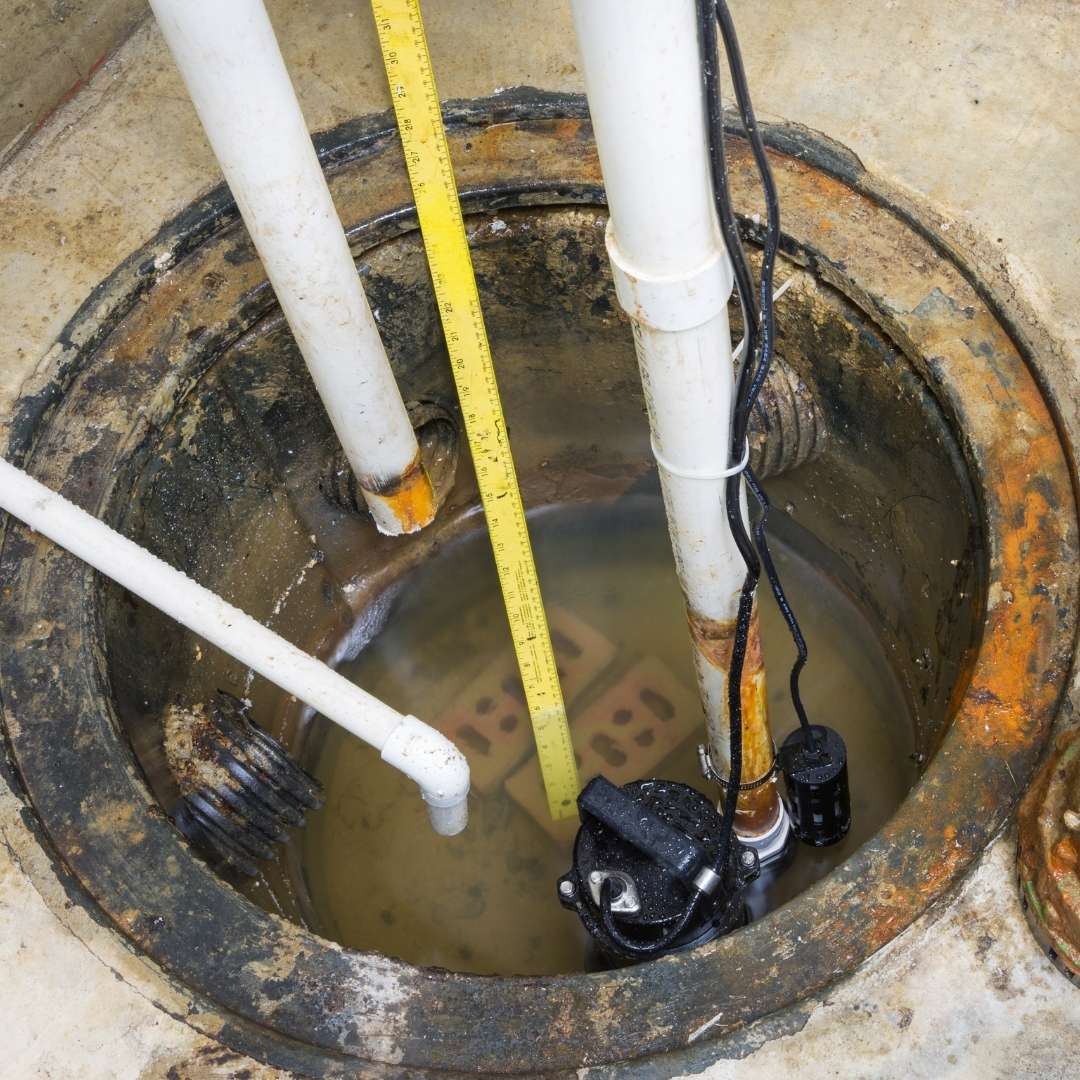
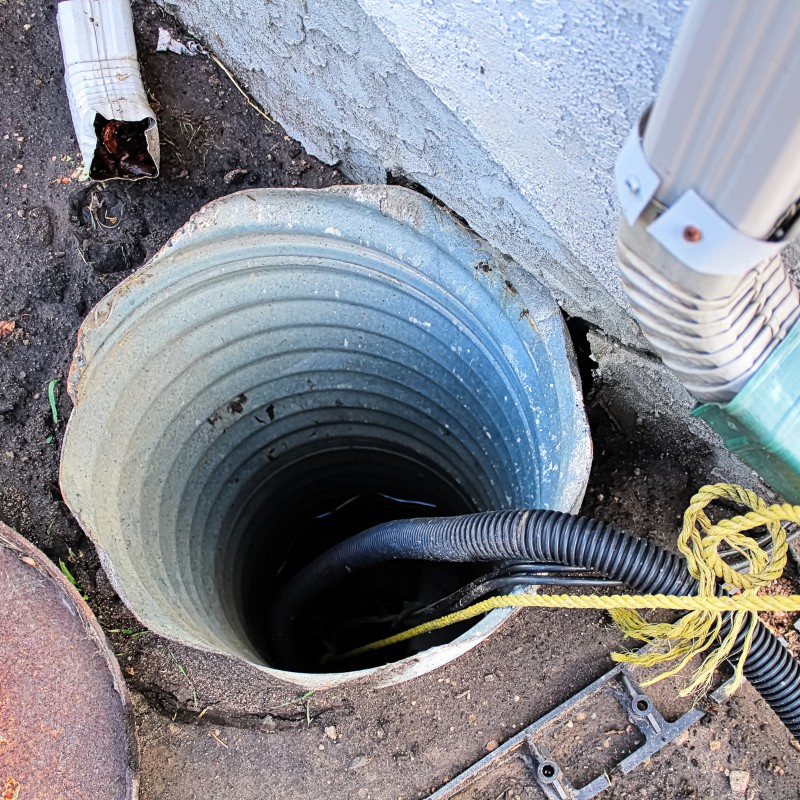
A sump pump is all that stands between your basement and water damage. When it fails during a storm, stops running, or was never sized correctly for your home, the consequences appear quickly and cost more than the repair would have.


The main pump runs on electricity, and storms can cut power. Together, that’s why basements flood even in homes with a sump pump. Battery backup units are located in the same hole as the primary pump. Most battery units last for several hours before the charge runs down. That is usually enough to get through a bad storm. However, the battery degrades over time.
Water-powered backups work off municipal water pressure instead of a battery. No electricity required, no battery to replace, and no run time limit as long as the water pressure holds. For homes on city water, they are the more dependable option long term. We install and service both.
An inch of standing water in a basement does more damage than most people expect. Flooring buckles, and drywall absorbs moisture from the bottom up. Insulation gets saturated and holds that moisture for weeks. Mold can start in less than two days under the right conditions. It is about reducing the total cost of what happens next.
We remove standing water with professional-grade equipment, often the same day when possible. Removing the water is only the first step. Finding what caused it is the part that actually matters. Many contractors pump out a basement and leave. The next rainstorm brings the same water back. Failed pump, blocked drain, burst pipe, foundation leak. Whatever it is, we fix it during the same visit whenever possible.
Sump pumps fail without warning. The motor goes, the float sticks, and there’s no sound or alarm to tell you the basement is about to flood. A check valve is a simpler fix with a big impact. It goes on the discharge line and prevents water from draining back into the pit after the pump shuts off. More wear, a shorter life, and higher energy bills. Both additions cost very little compared with what they prevent.


We identify the actual problem first, then we fix it: no guessing, no unnecessary work, and no second visit for the same issue.
Every job follows a clear process, from the first call to the completed repair:
A pump that runs but never clears the hole likely has a blockage or a dead impeller. One that does not turn on may have a float or motor problem. Strange noises mean something is breaking down inside. Pumps that are over 7 years old and keep having issues are usually no longer worth repairing. Replacing it before a storm is the best option.
Power outages are the biggest reason. The storm that brings the most rain is usually the same one that knocks out the electricity. After that, the common causes are a stuck float switch, a blocked discharge line, or a pump that was never large enough for the amount of water the home receives. Regular maintenance catches everything else before it becomes a flooded basement.
7 to 10 years for most pumps. Those that work hard because of high groundwater or frequent heavy rain often wear out closer to seven. Repairs can buy time, but they won’t fix a pump that’s simply worn out.
Yes, it activates on its own as soon as the main pump loses power. Run time depends on battery capacity and how fast water is coming in; most systems last for several hours. The problem is a battery that has not been maintained. An old battery that has never been tested may not hold a charge at all. Replace it every 3 to 5 years. A backup that does not work when the power is out is not a backup at all.
Before entering the flooded area, shut off power to the basement at the main breaker if you can do so safely. Call immediately afterward; do not wait to see whether it drains on its own. Standing water causes more damage every hour it sits there. Take photos of the basement and everything affected before anything is moved or cleaned.
Whether your basement is flooded or you want to know if your sump pump is still doing its job, contact American Way Plumbing Heating & Air Conditioning. We are here to help homeowners in North New Jersey. Do not wait for the next heavy rain to discover your system is not working.